July 30, 2026
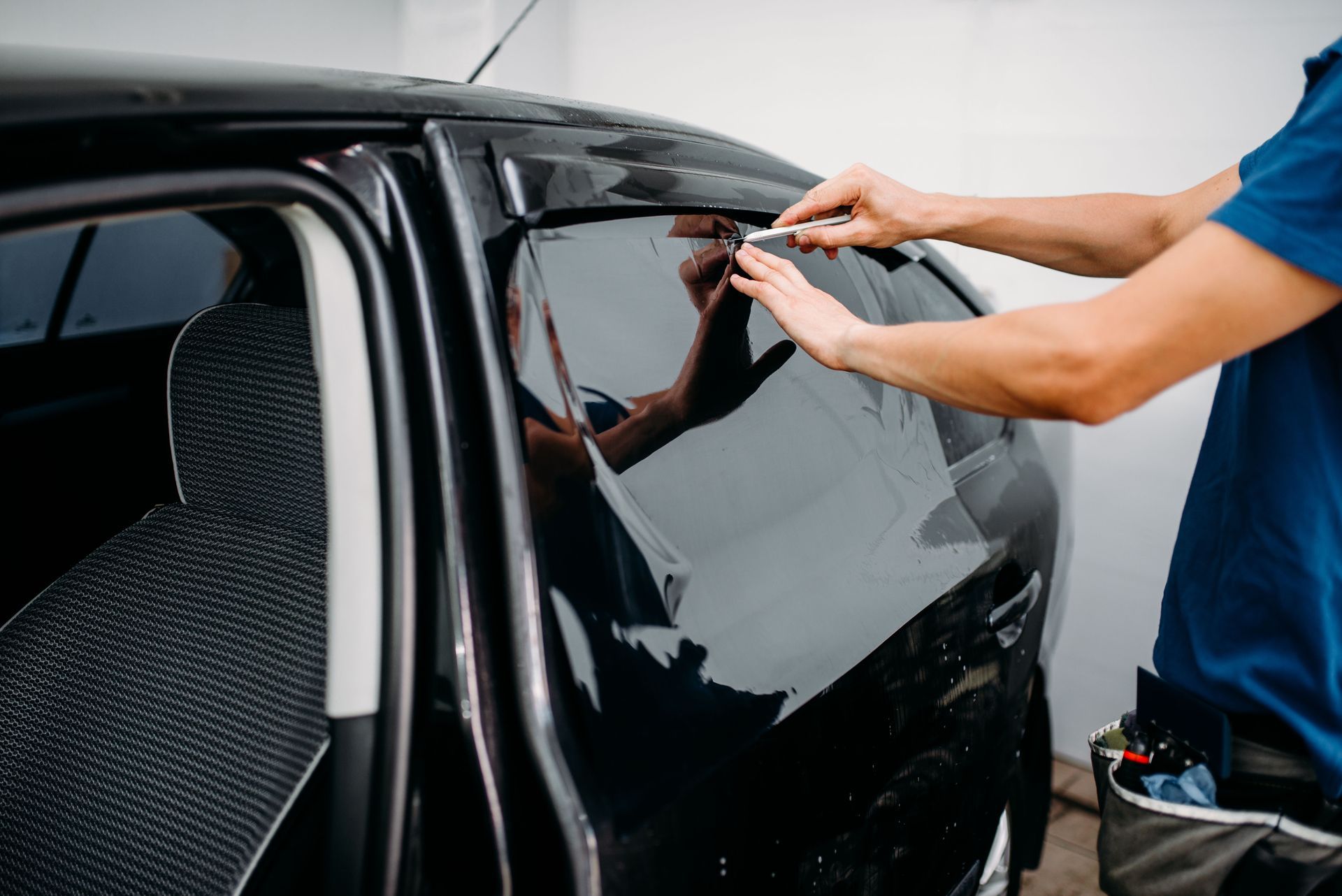
Auto tinting transforms every journey into a more comfortable and enjoyable experience by providing numerous benefits to drivers and passengers alike. With advancements in technology, auto tinting goes beyond just reducing glare; it significantly enhances temperature control, privacy, security, and even car aesthetics. This article will delve into the various benefits of auto tinting and how it enhances the overall driving experience.
As we navigate through increasingly warmer climates and chaotic traffic, the demand for comfort and safety during travel has never been higher. Window tinting has emerged as a practical solution to mitigate harsh sunlight, reduce interior heat, and provide privacy for those inside the vehicle. These advantages make auto tinting a necessary investment for drivers looking to maximize safety and comfort on the road.
Understanding Auto Tinting
The inception of auto tinting traces back to the mid-20th century when car manufacturers began exploring options to reduce heat inside vehicles. Initially, tinting was merely a faint idea, viewed as an aesthetic enhancement rather than a functional upgrade. Through constant innovation, tinting technology has evolved significantly, providing tangible benefits for drivers. As more manufacturers and consumers started recognizing these advantages, auto tinting became a standard option in the industry. Today, it serves as both a comfort enhancement and a safety measure for modern vehicles.
There are several types of tinting materials available, each offering distinct advantages based on their composition and properties. The most common types are dyed film, metallized film, carbon film, and ceramic film. Dyed film is cost-effective and offers a darker shade but may fade over time. Metallized film includes tiny metallic particles that help reinforce the windows and provide additional glare reduction. Ceramic window film is a more advanced material, preventing glare and UV rays without obstructing visibility, making it popular among users seeking top-tier protection.
Understanding the science behind tinting technology involves comprehending how films interact with light and heat. Auto tinting works by absorbing and reflecting sunlight, thus blocking UV rays and reducing interior temperature. The film is made from layers of polyester, each designed to target specific wavelengths of light. This meticulous construction ensures that while harmful rays are blocked, visibility remains unhindered for the driver. Innovations in nanotechnology have further optimized this process, allowing films to achieve superior heat rejection and clarity without impeding communication signals.
Auto tinting laws vary significantly from state to state, affecting how dark the tint can legally be. These regulations are in place to balance glare reduction with road safety, ensuring drivers maintain sufficient visibility. For instance, according to TintWiz, in Texas, front side windows must let at least 25% of light in for cars, SUVs, and vans. Compliance with these laws is crucial, as violations can result in fines and demands to adjust the tint. Car owners need to be aware of local restrictions before proceeding with tinting to avoid legal complications.
Enhancing Temperature Control
One of the primary benefits of auto tinting is its ability to significantly reduce heat gain inside vehicles. By blocking a substantial percentage of solar heat, tinting helps maintain a cooler interior, drastically enhancing driving comfort. This heat reduction is achieved without compromising visibility, allowing drivers to remain comfortable while driving in bright sunlight. Particularly in hot climates, the difference in temperature with and without tinting is notable, saving occupants from the discomfort and potential health impacts of excessive heat exposure. Moreover, cooler interiors lessen the reliance on air conditioning, which in turn can improve fuel efficiency.
With less heat penetrating the vehicle, the demand on air conditioning systems is significantly reduced, contributing to improved energy efficiency. By decreasing the workload on the air conditioning, tinting not only helps save fuel but also reduces the wear and tear on the vehicle's cooling system. This efficiency results from the distinct layer composition of tint films that effectively filter and reduce solar heat. As a result, tinted vehicles can achieve a comfortable temperature faster, reducing the time required for acclimatization when starting a journey. Additionally, the reduced fuel consumption can lead to cost savings over the lifespan of the vehicle, making auto tinting an economically beneficial upgrade.
The benefits of reduced solar heat gain are not limited to the summer months; they persist throughout the year, offering comfort in all seasons. In colder months, tinting retains interior heat slightly better, making cold morning starts more manageable. The consistent temperature regulation ensures that the car remains comfortable, minimizing the frequent adjustments needed to maintain the desired climate. This year-round benefit highlights the versatility and value of auto tinting, providing an optimized driving experience irrespective of external weather conditions. Thus, auto tinting proves to be a valuable addition to any vehicle, ensuring a comfortable environment in diverse climatic conditions.
Not all tints offer the same level of heat reduction, and selecting the appropriate level is crucial for optimal comfort and compliance with legal requirements. Lighter tints may allow more sunlight and slightly increase heat gain but remain within legal limits and maintain excellent visibility. Conversely, darker tints offer the maximum reduction in solar heat but need to be carefully chosen to remain compliant. It is imperative to assess individual driving needs, climatic conditions, and local regulations when selecting the tint level. Professional tinting companies can provide insights and recommendations on the best options tailored to achieve desired temperature control while ensuring legality.
Reducing Glare for Safer Driving
Driving hazards are often exacerbated by glare from various sources, affecting driver visibility and reaction times. The sun remains the most potent source, especially during dawn and dusk, where its low angle presents a direct visibility threat. In addition, reflections from other vehicles, buildings, and even wet roads contribute to hazardous glare. Auto tinting addresses these issues by reducing the intensity of light entering the vehicle, thus minimizing potential distractions. By effectively managing light exposure, tinting enhances driver confidence and safety across different traveling scenarios.
Window tinting serves as a protective barrier against intense light, reducing glare and improving visibility for drivers. This reduction is achieved through special film layers that absorb and reflect light, controlling its entrance into the vehicle. Tinted windows allow drivers to focus on the road without squinting or constant adjustment of visors, leading to a less stressful driving experience. Particularly helpful during sunny days, tinting also mitigates glare from oncoming headlights during night driving. Through effective glare reduction, tinting becomes an invaluable asset in promoting safer, distraction-free driving.
Besides sunny conditions, tinting is equally effective in enhancing visibility during diverse weather scenarios like rain, snow, or fog. Reflective and diffusing properties of quality tint films mitigate glare from wet surfaces and scattered light, providing improved clarity. Even in foggy conditions, where visibility can be severely hindered, tinting helps manage light dispersal for better route navigation. This consistent performance irrespective of weather underscores the adaptability of tinting solutions to various environmental challenges. By ensuring clear vision in unpredictable weather, tinting contributes significantly to safe driving practices.
Different driving habits and conditions necessitate varying tinting options and levels to achieve ideal benefits. City drivers may prioritize glare reduction from buildings and traffic, while long-haul travelers might focus on mitigating sustained sun exposure. Recognizing these distinct needs, tinting professionals offer a selection of films customized to meet specific driving profiles. Whether it's hybrid films for balanced performance or specialized solutions for extreme environments, opting for the right tint ensures maximum utility and satisfaction. Assessing personal driving conditions is the first step towards selecting the most suitable tint for enhanced road safety.
Auto tinting offers a wide range of benefits that go beyond improving a vehicle’s appearance. From reducing interior heat and minimizing glare to enhancing privacy, comfort, and driving safety, quality window tint provides valuable protection for both drivers and passengers. By choosing the right tint level and material for their needs, vehicle owners can enjoy a more comfortable and enjoyable driving experience while protecting their investment for years to come. For an
auto tinting company you'll love, contact Texas Made Tintz & Accessories today.